Chicken manure ranks among the most nutrient-rich types of livestock waste. The fundamental reason lies in the chicken’s digestive physiology: a significant portion of the feed consumed remains unabsorbed and is excreted directly.
A chicken’s digestive tract is relatively short compared to its body length, with feed typically remaining in the system for only 3 to 4 hours. In contrast, mammals like cattle and pigs possess longer intestinal tracts, allowing for more thorough digestion. Furthermore, chickens lack teeth; they swallow food whole without chewing, which further compresses the time available for digestion. Research indicates that approximately 40% to 70% of the nutrients in a chicken’s diet are not absorbed and are instead excreted, meaning the absorption rate is only about one-third. The characteristic odor of chicken manure is essentially the result of these undigested nutrients accumulating in the waste and subsequently being broken down by microorganisms.
Comparisons of nutrient content across different types of manure confirm this. Taking nitrogen content as an example, chicken manure contains 3.8%, compared to 2.8% for pig manure and only 1.9% for cattle manure. Domestic data in China similarly shows that chicken manure has significantly higher levels of nitrogen and phosphorus than cattle or sheep manure. The nitrogen in chicken manure exists primarily in the form of uric acid, which cannot be directly absorbed by crops; it must first undergo thorough decomposition (composting) to become effective as a fertilizer. While the “high nutrient content” is an inherent advantage of the raw material, the decomposition stage is essential to transform it into a safe, usable fertilizer.
In short, the logic behind the high nutrient content of chicken manure is clear: a short digestive transit time and a low absorption rate result in a large quantity of feed nutrients “passing straight through” and ending up in the manure.
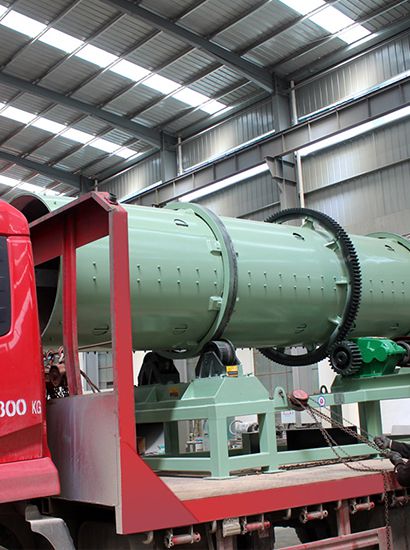
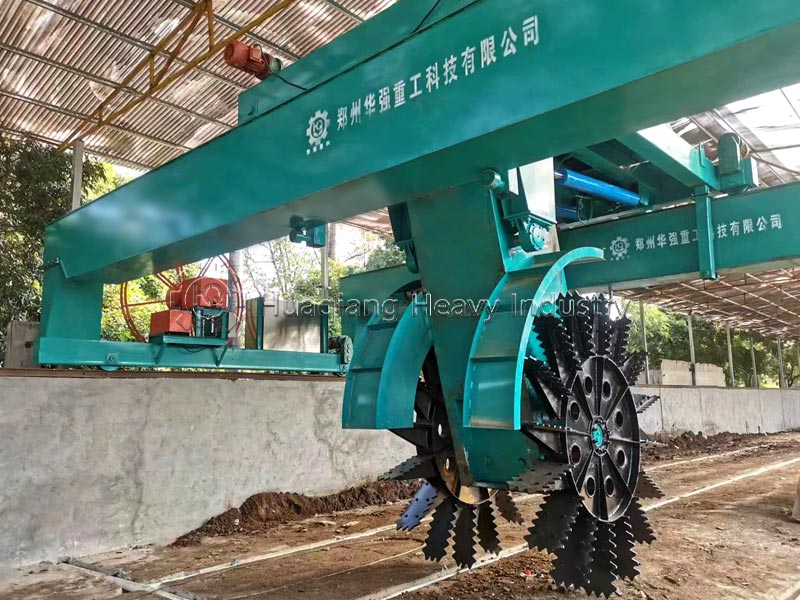
The primary equipment used for processing chicken manure includes: chicken manure compost turning machines (featuring anti-clogging, serrated blades or chain-plate mechanisms to facilitate aerobic fermentation, oxygen supply, and odor removal), crushers, screener machines, mixers, fertilizer granulators, drying and cooling units, and packaging scales, along with auxiliary odor and dust control systems. Among these, the compost turning machine is the core component for fermentation and decomposition, while the granulation, drying, and cooling processes determine the commercial quality of the final product.