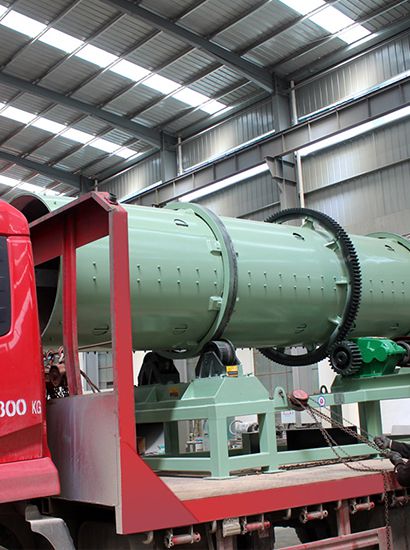
The production of bio-organic fertilizer involves several stages, including raw material mixing, aerobic fermentation, maturation, and downstream processing. The quality of the fermentation process directly determines the quality of the final fertilizer product. When setting up a production line, the compost turner is a critical piece of equipment; it improves internal aeration by turning and mixing the materials, enabling microorganisms to decompose organic matter effectively. The ideal type of compost turner depends on the scale of production and the specific fermentation method used.
- Trough-Type Compost Turners: Ideal for Large-Scale Production Lines
For facilities planning a fixed bio-organic fertilizer production line, a trough-type compost turner is an excellent choice. Mounted above fermentation channels, this equipment follows a set path to turn and advance the material, and it can be used across multiple channels in a rotating operation. For plants that process large daily volumes of livestock manure, crop straw, or fungal residue, this configuration facilitates centralized management of the fermentation process.
- Crawler-Type Compost Turners: Suitable for Outdoor Fermentation Projects
For production lines that utilize windrow composting, a crawler-type compost turner offers superior site adaptability, allowing it to move flexibly across expansive fermentation areas. The turning depth and working width can be adjusted based on the dimensions of the material piles, making this type well-suited for medium-to-large-scale bio-organic fertilizer processing operations.
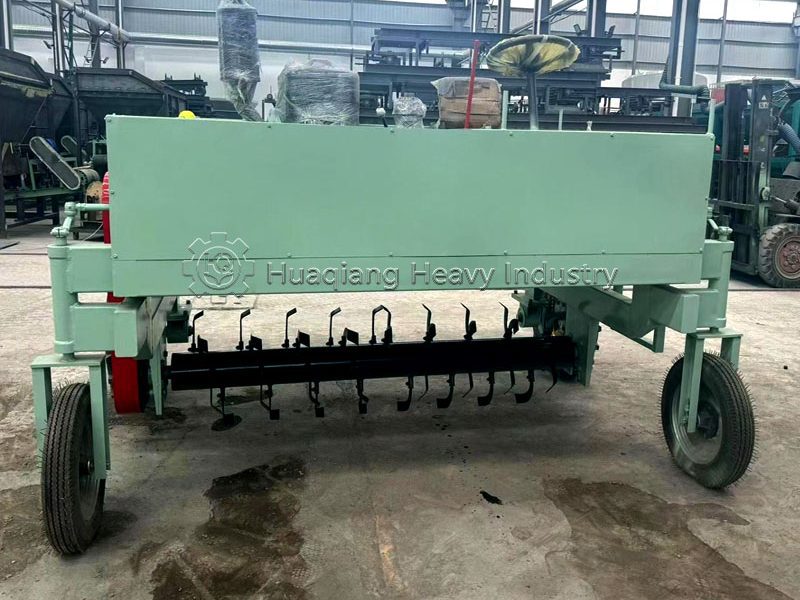
- Wheel-Type Compost Turners: Designed for High-Volume Material Processing
If you have a spacious, level site and require high-efficiency turning, a wheel-type compost turner is a strong option. Designed for working with long, linear windrows, this equipment reduces the need for manual labor and effectively supports large-scale outdoor fermentation requirements.
- Determining the Final Solution Based on Production Line Configuration
When selecting a compost turner, you should clearly define the types of raw materials, daily processing capacity, fermentation cycle, and site conditions. Additionally, evaluate the equipment’s power, turning capacity, and ease of maintenance to ensure seamless integration with subsequent processes such as crushing, screening, and packaging.
Choosing the right compost turner not only enhances the fermentation of bio-organic fertilizer but also reduces manual labor requirements, supporting the stable operation of the production line and increasing overall production capacity.