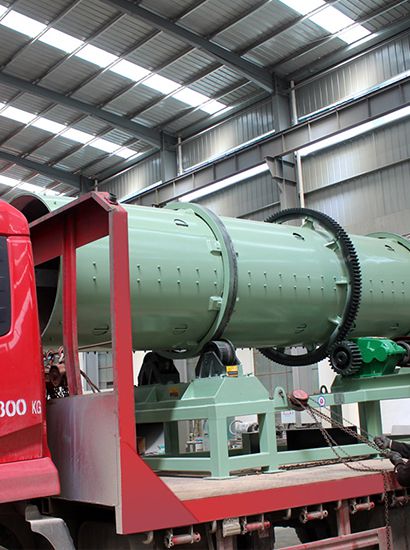
In the production of organic fertilizer, the fermentation of materials and the mixing of raw ingredients directly influence the quality of the final product. Chain-plate compost turners and double shaft paddle mixers perform distinct processing tasks; when used in tandem, they can enhance fermentation outcomes and improve the uniformity of the final mixture.
- Chain-plate compost turners improve fermentation quality
Chain-plate compost turning machines are primarily used for the aerobic fermentation of organic materials. By turning and breaking up the material, they increase aeration within the compost pile. For mixed feedstocks—such as chicken manure, cattle manure, and straw—these machines help reduce clumping and localized oxygen deprivation, promote microbial decomposition, ensure a more even temperature distribution throughout the pile, and enhance the degree of maturation (composting).
- Double shaft paddle mixers enhance mixing efficiency
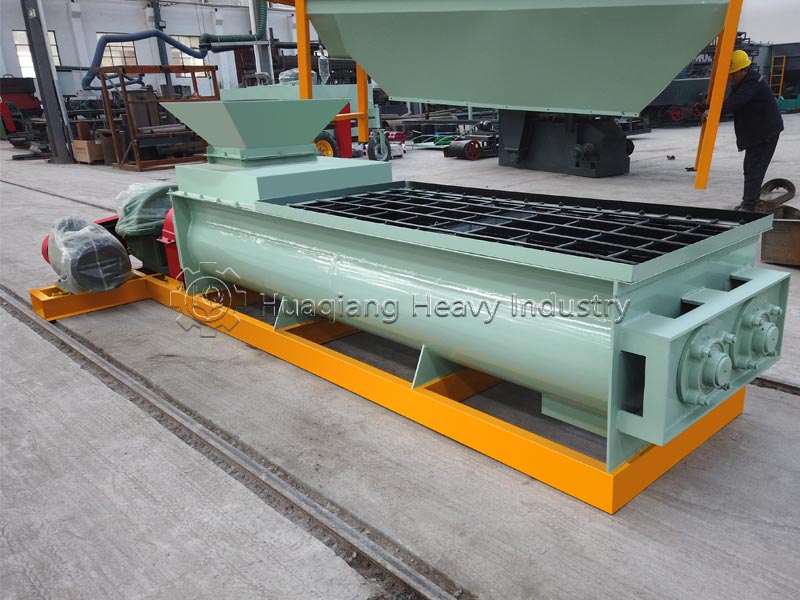
Double shaft paddle mixers are designed to blend various materials thoroughly. They are ideal for mixing matured organic fertilizer with other raw ingredients, functional additives, or mineral components. The intersecting action of the dual shafts and paddles prevents the localized concentration of nutrients, ensuring a highly uniform final blend.
- Combining equipment to boost production quality
In a typical production workflow, a chain compost turning machine is used for fermentation, followed by crushing and screening, and finally, a double shaft paddle mixer is employed for blending. This process allows for independent control over the fermentation and mixing stages, minimizing the risk of uncomposted material ending up in the final product.
- Adjusting operational parameters based on material characteristics
During production, operational settings—such as the frequency of turning, mixing duration, and feed rate—should be adjusted based on the material’s moisture content, fiber content, and total volume. This helps prevent issues like inadequate mixing or excessive agitation, which could otherwise lead to the breakdown of particles.