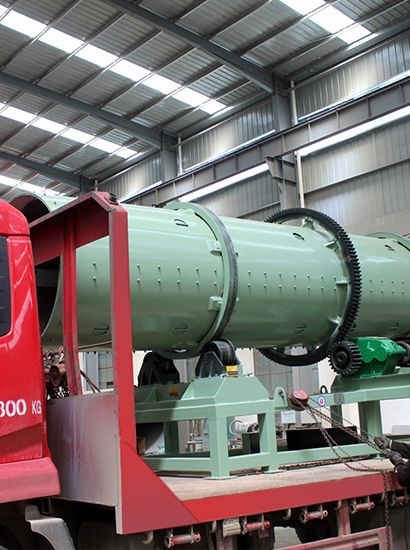
In the fertilizer processing field, BB fertilizer mixers and NPK blending machines may seem functionally similar, but they actually serve two completely different process paths. Understanding the differences between them is key to choosing the right equipment.
Physical Mixing vs. Pre-Chemical Synthesis Processes
BB fertilizer mixers serve the “physical mixing” process. Their task is to mechanically and uniformly mix several nitrogen, phosphorus, and potassium granular fertilizers of similar particle sizes together. The core advantage of this equipment is its flexible formulation; the proportions can be adjusted at any time based on soil testing results, achieving true “on-demand customization,” and a batch can be mixed in just a few minutes.
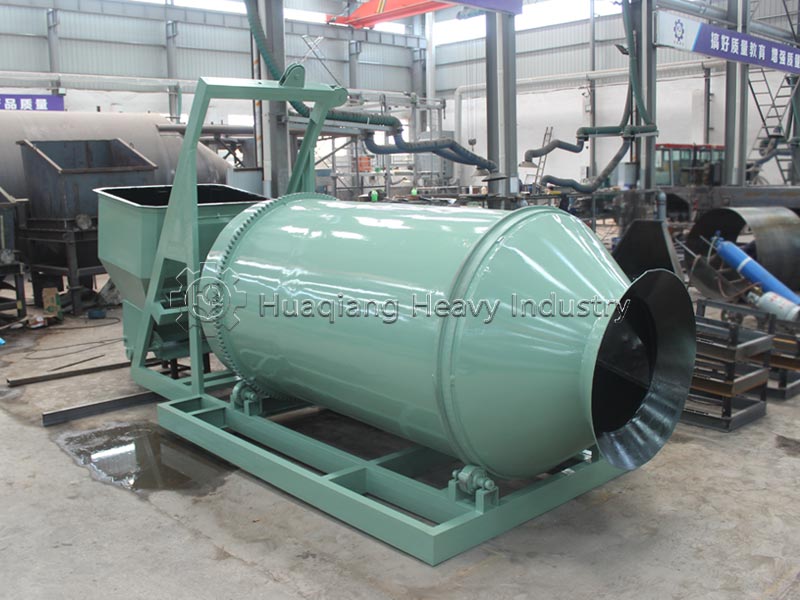
NPK blending machines, on the other hand, are typically used as front-end equipment in NPK compound fertilizer production lines, primarily dealing with powdered raw materials. They premix pulverized urea, ammonium phosphate, potassium salts, and other elements to provide a homogeneous base material for subsequent granulation processes. Here, the mixing emphasizes thorough dispersion of the powder, ensuring that each granule of fertilizer ultimately contains an equal proportion of nutrients.
Different Applicable Scenarios and Key Considerations
In practical applications, the choice of equipment depends on the production objective. BB fertilizer prioritizes speed and efficiency, but special attention must be paid to ensuring a high degree of matching in the particle size of the raw materials; otherwise, vibrations during transportation can cause stratification, affecting fertilizer effectiveness. Although NPK compound fertilizer has a longer process chain, the finished granules exhibit better physical stability, more synchronized nutrient release, and greater stability in large-scale mechanized fertilization.