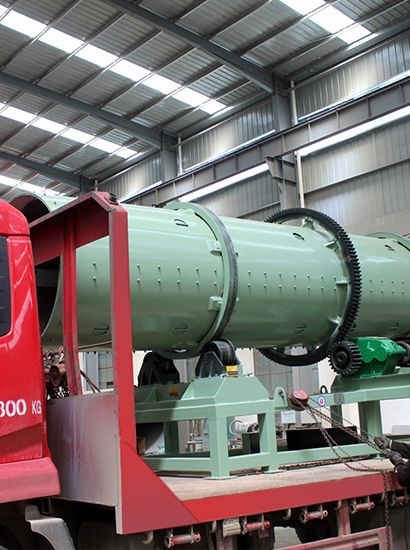
Granulation is not simply the transformation of powder into granules; it is a core method for upgrading material value through morphological reshaping, utilizing equipment such as rotary drum granulators and disc granulators.
It addresses the inherent defects of powdered materials. Powdered materials are prone to severe dusting and clumping, leading to wasted raw materials and safety hazards. After processing with disc granulators and rotary drum granulators, the granules have improved sealing properties, significantly reducing dusting and clumping problems, lowering transportation and storage losses, and creating a safer working environment, meeting the environmental protection requirements of industries such as fertilizers and chemicals.
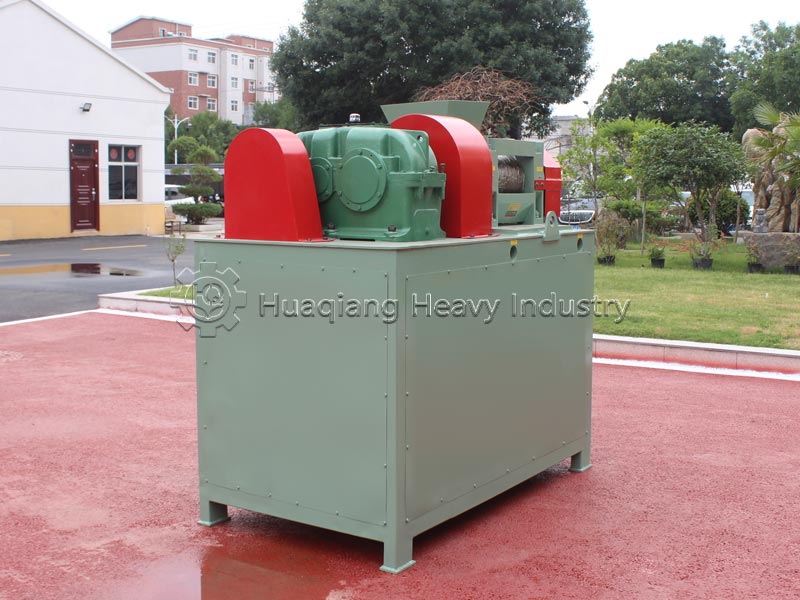
It allows for precise control of material properties. By adjusting the parameters of the fertilizer granulator, the size and strength of the granules can be controlled, optimizing the dissolution and release efficiency of the material. In agriculture, granular fertilizers produced by rotary drum and disc granulators can achieve slow-release of nutrients; in the chemical industry, double roller press granulators can customize granule morphology to improve reaction rates.
It achieves component homogenization. Granulators allow multi-component materials to be tightly combined, preventing imbalances in proportions during use. Granular products have regular shapes and controllable quality, making it easy to create standardized products and increasing market acceptance.
In summary, granulation, relying on various specialized equipment, solves production pain points through morphological optimization, giving materials better performance and economic value. This is the fundamental reason why it has become an indispensable part of many industries.