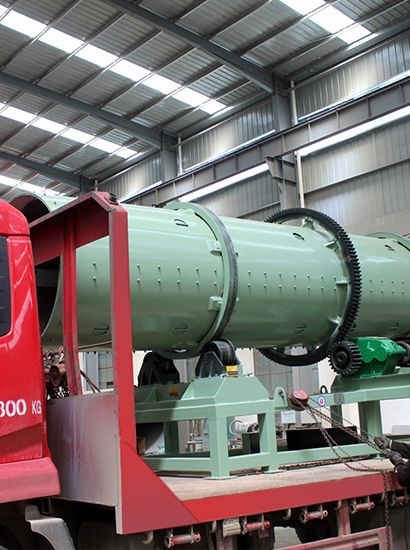
Among numerous organic fertilizer granulation equipment, the new type stirring tooth-drum granulator, relying on a differentiated dry granulation process, has become the preferred equipment for small and medium-sized organic fertilizer production lines. Its unique processing characteristics can adapt to the production needs of well-rotted organic fertilizer and functional bio-organic fertilizer.
Pure dry granulation without additives. Traditional granulation equipment requires the addition of water and binders to assist in molding, which not only easily damages the beneficial bacteria in the organic fertilizer but also requires supporting drying equipment. The new type stirring tooth-drum granulator relies on high-speed stirring tooth impact extrusion molding, requiring no water or auxiliary materials, and can directly granulate dry, well-rotted raw materials, completely preserving the active nutrients in the material.
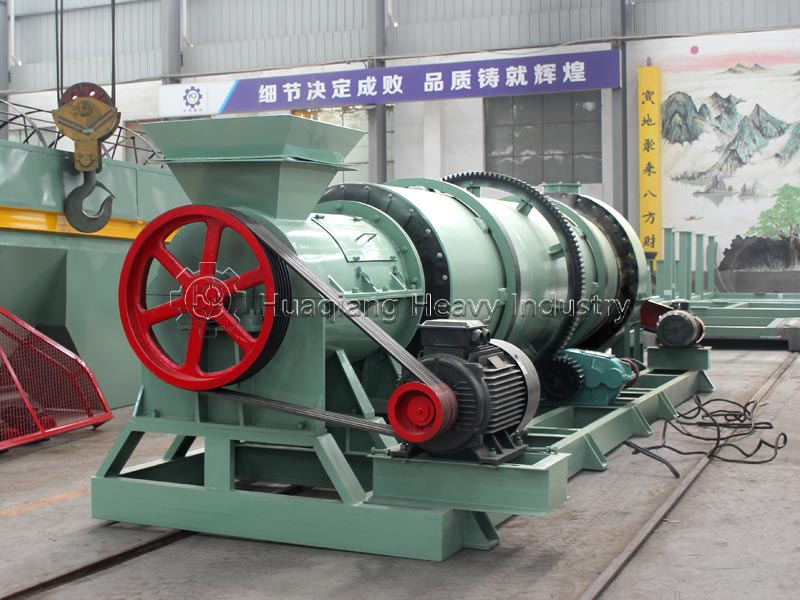
The machine has extremely high raw material tolerance. Facing common organic fertilizer materials such as coarse fibers, unrefined materials, and mixed impurities, the equipment can simultaneously complete the dispersing, mixing, and granulation operations, eliminating the need for complex pre-treatment, effectively simplifying the production process, and reducing investment in supporting equipment and production time.
The finished granules have a unique loose and porous structure. After being applied to the soil, the fertilizer rapidly absorbs water and disintegrates, releasing nutrients evenly and effectively preventing root burn and delayed fertilizer effects, thus significantly improving field application efficiency.
Furthermore, the new type stirring tooth-drum granulator features a compact structure, low energy consumption, and a low failure rate. Its core stirring teeth are wear-resistant and easy to replace, resulting in extremely low daily maintenance costs. Overall, it is simple to operate, offers excellent value for money, and balances production efficiency with finished product quality, making it highly suitable for large-scale production in small and medium-sized organic fertilizer processing plants.