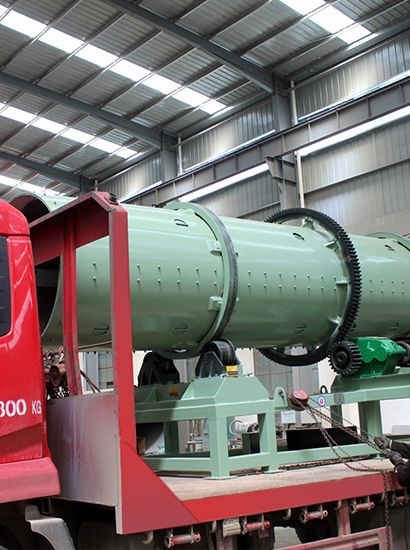
Oil palm empty fruit bunches (OPEFB) and fronds are characterized by high fiber content and tough structural integrity, making rapid decomposition difficult with standard composting methods. When processing these materials, the palm tree waste compost making machine is the core component; operational efficiency and the uniformity of the final mixture depend heavily on the double axis paddle mixer.
The primary challenge in composting OPEFB lies in the intertwining fibers and poor aeration; conventional turning methods struggle to break up the material thoroughly, often leading to the formation of anaerobic zones within the pile. The large wheel compost production machine utilizes two large-diameter rotating discs to lift material from the bottom and stack it toward the rear. This action simultaneously shears long fibers and ensures thorough exchange between the inner and outer layers of the pile. It offers an operating width of 2–3 meters and a turning depth exceeding 1.5 meters, eliminating the need for fixed fermentation troughs. A medium-sized wheeled turner can process hundreds of cubic meters of palm waste daily, effectively shortening the decomposition cycle.
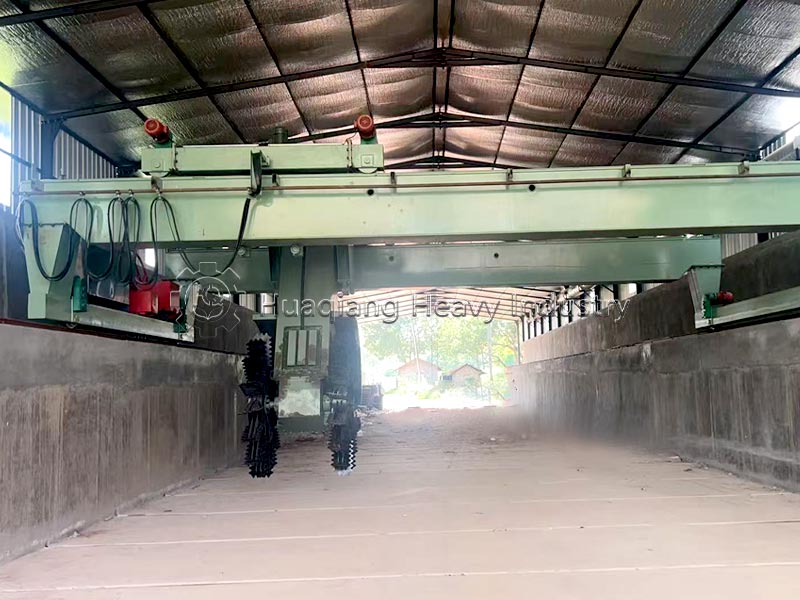
Once fermentation is complete, the palm fibers proceed to the formulation and mixing stage. Commercial organic fertilizers often require the addition of nitrogen sources to adjust the carbon-to-nitrogen (C/N) ratio or the inclusion of functional microbial agents; this is where the double shaft paddle mixer comes into play. Featuring two counter-rotating shafts, the mixer propels materials into a weightless state, creating intense convective mixing in the overlapping zones. It achieves a coefficient of variation of less than 5% with batch processing times ranging from 30 to 120 seconds. A full-bottom discharge design minimizes residue, facilitating recipe changes, while the gentle mixing action prevents material segregation.
Viewed as a complete processing chain, the large wheel compost turner handles forced aeration and material loosening during the initial fermentation phase, while the double axis paddle mixer ensures uniform blending during the final formulation stage; the two machines complement each other perfectly. Selecting the right equipment is essential to successfully transforming palm waste into high-quality organic fertilizer.