Palm plantations generate vast quantities of oil palm empty fruit bunches (OPEFB) and fronds annually. Converting these into organic compost requires a well-configured equipment setup that spans the entire process, from initial fermentation to final formulation and blending.
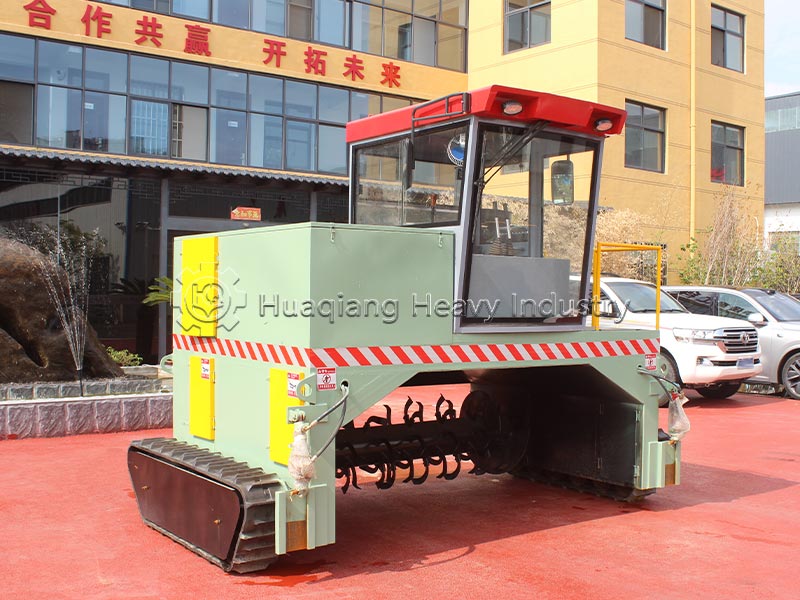
Composting OPEFB presents challenges due to their dense fibrous structure and poor permeability; conventional turners struggle to fully break up the material, often leading to anaerobic zones within the pile and prolonged fermentation cycles. Crawler-type compost making machines offer distinct advantages: their tracks navigate soft ground effectively, and their turning drums lift the entire pile from the base—facilitating thorough material exchange and cutting long fibers to prepare for subsequent processing. On the muddy terrain typical of palm plantations, crawler-based machines significantly outperform wheeled models.
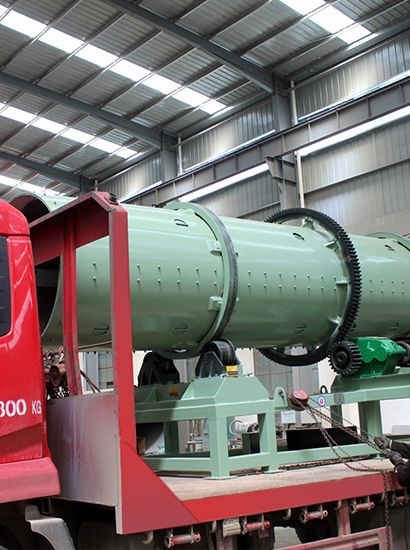
For material that has undergone initial decomposition but retains intact fibers, specialized palm tree waste compost production machines—equipped with heavy-duty cutter rollers and forced-feeding mechanisms—are employed. These machines handle tough fibers without jamming or tangling, shredding large fibrous chunks into sizes optimal for composting and accelerating decomposition.
Once turned and shredded, the partially decomposed material moves to the final formulation and blending stage. A double axis paddle mixer utilizes counter-rotating shafts to create convective mixing, ensuring a uniform blend of compost with nutrients or microbial agents within 60–120 seconds, maintaining a coefficient of variation below 5%. A full-bottom, wide-opening discharge design minimizes residual palm fiber buildup, facilitating quick transitions between different formulations.
In this integrated line, the crawler-type turner supplies oxygen for primary fermentation, the specialized palm compost machine handles fiber refinement, and the double axis mixer ensures precise blending. Equipment selection should be tailored to annual waste volume, site conditions, and product positioning, ensuring the specifications of all three machine types are balanced for seamless, efficient operation.