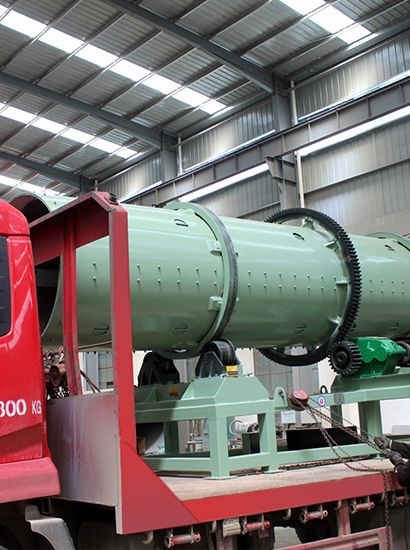
Turning equipment is essential for the resource utilization of livestock and poultry manure. Chicken manure compost turner machines, specialized cow dung compost making machines, and large wheel compost production machines each have distinct strengths; understanding these differences is key to selecting the right equipment.
Chicken manure is a unique raw material for organic fertilizer; fresh manure has a high moisture content (60%–75%), is highly viscous, has high nitrogen content, and releases significant amounts of ammonia during fermentation. Turners designed for chicken manure typically feature reinforced sealing and deodorization systems to minimize ammonia emissions. Chain compost turning machines are particularly effective at maintaining uniform material mixing and preventing stratification.
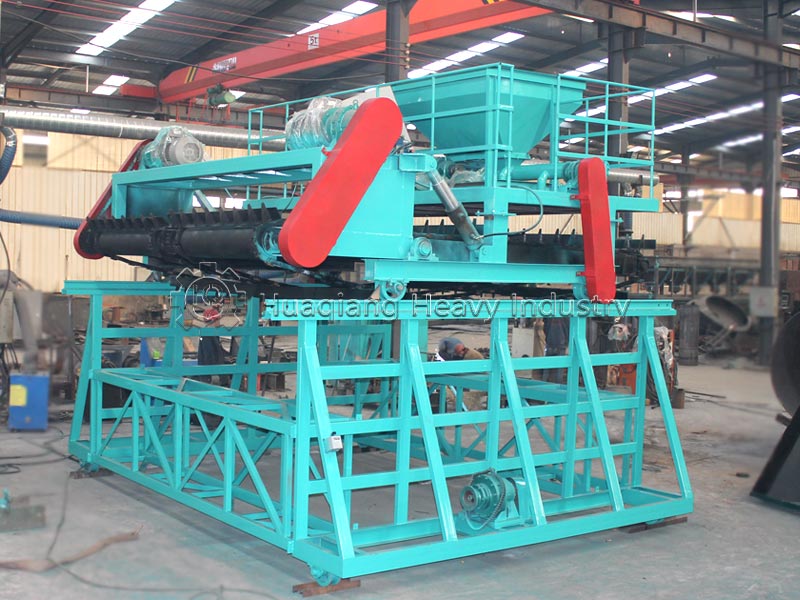
Cow dung has vastly different composting characteristics: it is high in fiber and has a loose texture, making it less prone to clumping or sticking during the turning process. Specialized cow dung compost making machines are usually equipped with robust crushing and loosening mechanisms to handle undigested coarse fibers. Turning depth and uniformity are critical; the material at the bottom must be turned to the surface to prevent the formation of anaerobic zones within the pile.
Large wheel compost production machines are designed for wide-span, deep-pile fermentation scenarios. They utilize large-diameter turning wheels to ensure symmetrical turning with no dead zones, achieving turning depths of 1.5 to 3 meters and widths of up to 30 meters. Compared to traditional trough-style turners, they reduce energy consumption by approximately 70% and, when paired with automated electronic control systems, require no manual operation.
In terms of selection recommendations: prioritize chain turners with deodorization features for chicken manure; focus on turning depth and fiber-crushing capabilities for cow dung; and opt for large wheel compost production machines for centralized, large-volume processing. Material characteristics dictate equipment selection, and equipment selection determines fermentation quality.