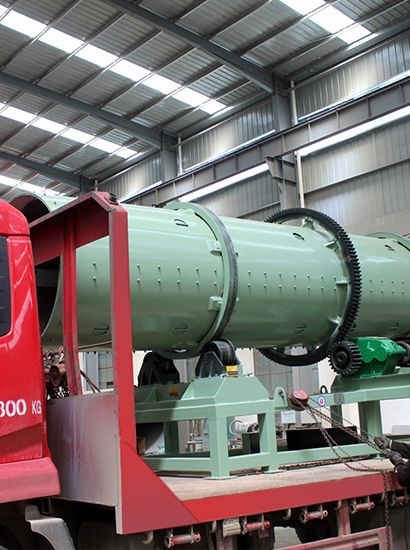
In organic fertilizer production, the mixing pretreatment directly determines the finished product’s molding rate and overall quality. Many factories experience high granulation defect rates and excessive waste, often due to improper selection of mixing equipment. Double axis paddle mixers offer advantages such as strong shearing, high mixing uniformity, and suitability for high-moisture materials, making them ideal for specific production scenarios.
Processing plants using high-moisture livestock and poultry manure as raw material are best suited for this equipment. Materials such as chicken and pig manure have high moisture content, strong viscosity, and are prone to clumping. Ordinary fertilizer mixer machines struggle to break up and mix them evenly, easily leading to dry-wet stratification. Double axis paddle mixers, relying on their bidirectional shearing structure, can quickly break up clumped materials and even out moisture content, perfectly solving the mixing problem of high-moisture raw materials.
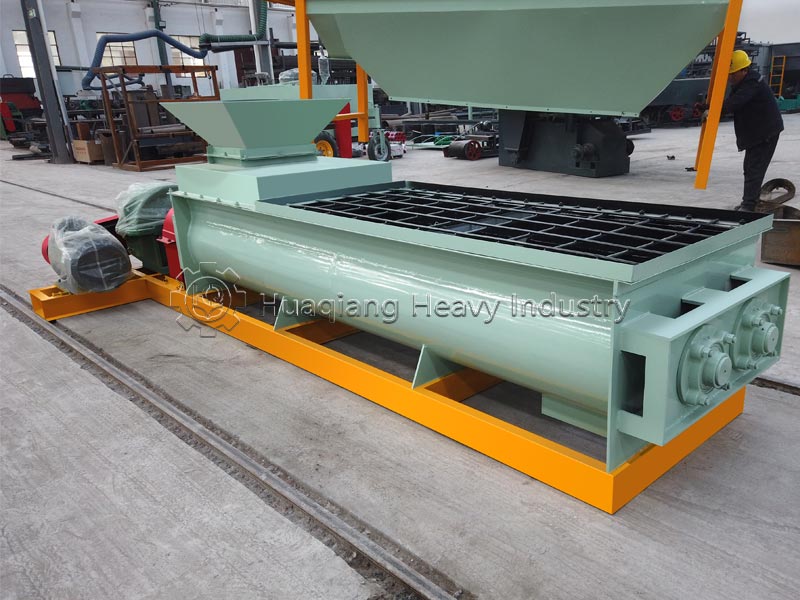
Processing plants specializing in functional organic fertilizers and bio-fertilizers are also highly suitable. These fertilizers require strict uniformity in raw material mixing; ordinary mixing easily results in uneven distribution of nutrients and microorganisms. This equipment provides uniform mixing and operates under gentle conditions, preventing damage to beneficial bacteria. It allows for thorough integration of the microbial agent, additives, and main ingredients, ensuring a balanced and stable fertilizer fertility.
It is ideal for large-scale, automated processing plants. The equipment supports continuous feeding and discharging, operates stably without jamming, and can seamlessly connect to various granulation equipment such as drum and disc granulators. It adapts to the rhythm of production lines, avoiding material accumulation and downtime due to material shortages, significantly improving the overall efficiency of the organic fertilizer production line.
Furthermore, it is also a preferred option for small and medium-sized processing plants seeking low-loss production. The equipment has strong material compatibility, capable of processing mixed raw materials such as manure, straw, and microbial residue. Its excellent pretreatment effect effectively improves raw material utilization and reduces granulation waste and rework.