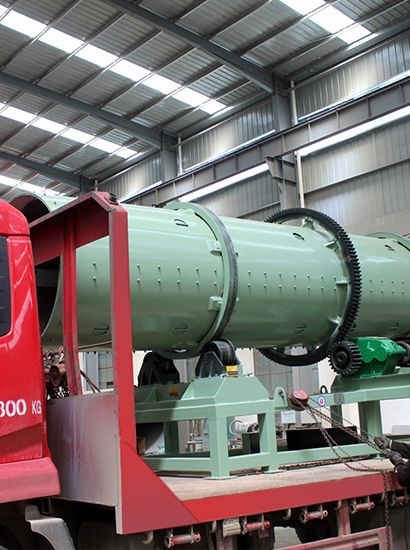
Bio-organic fertilizers emphasize live bacteria activity and high nutrient content, requiring strict control over temperature and molding pressure during the granulation process. High-pressure, high-temperature equipment can easily damage beneficial bacteria. Disc granulators, relying on a unique low-temperature flexible molding process, perfectly meet bio-fertilizer production standards and are excellent supporting equipment for various high-quality bio-organic fertilizer production lines.
High-quality production lines emphasizing high live bacteria retention are best suited for disc granulation equipment. The equipment uses purely physical tumbling and agglomeration molding, with no high temperature or high-pressure friction throughout the process, preventing damage to beneficial bacteria in the raw materials and maximizing the preservation of bio-fertilizer activity, thus ensuring the core fertilizer efficacy of bio-organic fertilizer from a process perspective.
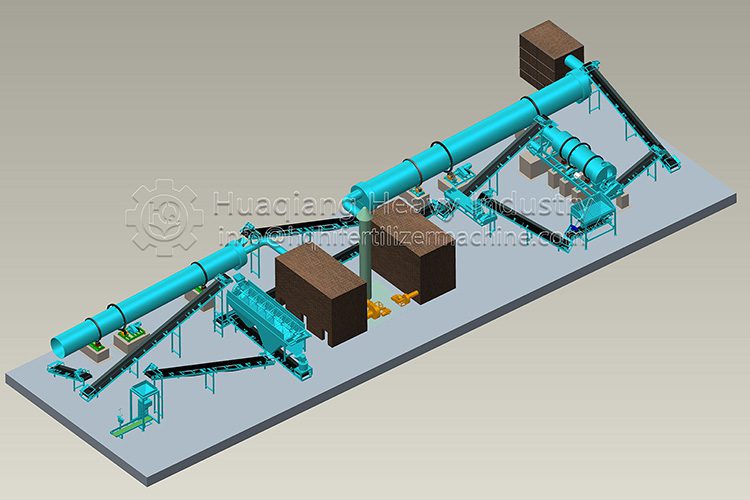
Production lines with multi-category, refined production are also highly suitable. For the needs of rotating production of functional bio-fertilizers, disc granulators are easy to debug, thoroughly clean, and convenient for product changes, minimizing material cross-contamination and residue, and are suitable for flexible production modes of small batches and multiple varieties.
Small and medium-sized start-up bio-organic fertilizer production lines are also suitable for this equipment. This granulation production line is simple to set up, requires little space, and has a low investment threshold. It eliminates the need for complex drying and cooling equipment, is easy to operate and maintain, and can meet the basic mass production needs of small and medium-sized factories while effectively controlling production costs.
Furthermore, the production line, primarily producing high-quality water-soluble bio-fertilizers, has extremely high adaptability. The equipment produces granules that are round, uniform, and moderately loose, with rapid disintegration in the soil, fully releasing the activity of the microorganisms, making it suitable for the production needs of high-quality bio-organic fertilizers for fruits, vegetables, and cash crops.