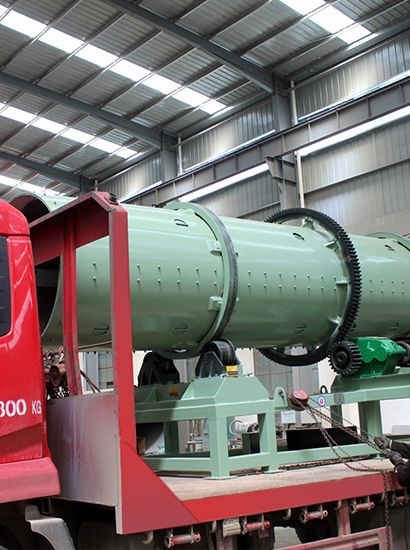
Manure composting is widely used for farm organic waste recycling, and compost turners play a vital role in aerobic fermentation. However, many buyers cannot tell the differences between three common devices: chicken manure turning machine, large wheel compost turning machine and general compost turning machine for sale. This article clarifies their unique advantages, applicable scenarios and purchasing suggestions, helping buyers make proper choices without blind investment.
The chicken manure turning machine is a professional manure-specific device. Chicken manure features high moisture, strong viscosity and rapid fermentation heat accumulation, which easily sticks to ordinary turning parts. This dedicated turner adopts anti-sticking turning teeth and optimized structure to prevent material adhesion and winding. Compact and energy-saving, it fits small and medium chicken farms with narrow fermentation tanks and limited daily manure output. It delivers targeted turning performance perfectly matched with viscous poultry manure.
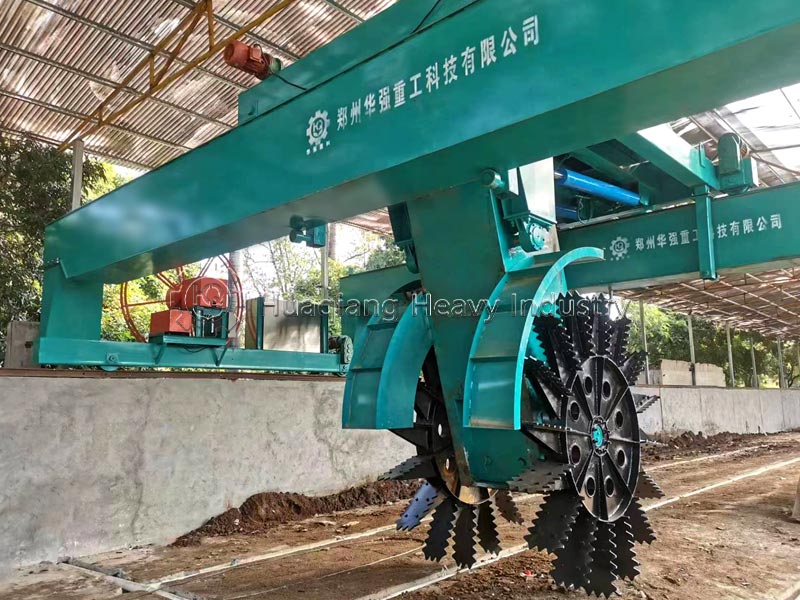
The large wheel compost turning machine is a heavy-duty model for large-scale industrial production. With wide working coverage and strong power, it adapts to wide open-air compost piles and large standard fermentation tanks. Unlike single-purpose chicken manure turners, it has strong material compatibility, coping with various livestock manure and high-fiber agricultural wastes. It supports long-hour continuous operation with large processing capacity, ideal for large breeding enterprises and professional manure treatment plants.
Compost turning machine for sale refers to universal standard turners circulating in the market. These cost-effective general machines fit most conventional composting scenarios for mixed organic wastes, without special optimization for ultra-viscous chicken manure. When purchasing universal turners, buyers should prioritize daily output, pile height and site conditions instead of only pursuing low prices, as mismatched equipment will reduce fermentation efficiency greatly.
To sum up, equipment selection should match actual production needs. Small chicken farms prefer dedicated chicken manure turners, large-scale waste treatment projects choose heavy-duty large wheel turners, and general mixed composting projects can select cost-effective universal compost turners available on the market.