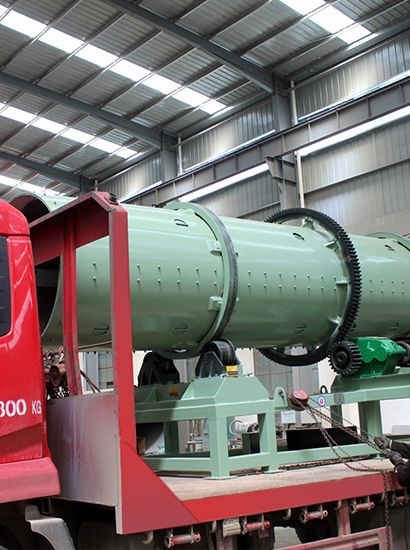
Unbalanced raw materials are the core factor leading to unstable quality in agricultural compost production. Mixed wastes like crop straw and livestock manure usually have uneven moisture and inconsistent textures, easily causing partial fermentation failure. Uniform material pretreatment has therefore become essential for standardized composting. The double axis paddle mixer acts as the core preprocessing device, working with the double screws compost turning machine and agriculture compost production machine to form a complete system for stable and high-quality compost manufacturing.
The double axis paddle mixer specializes in raw material homogenization in the early production stage. With dual synchronous paddle shafts, it delivers all-round stirring for diverse organic wastes. It blends dry straw and wet manure evenly, balances overall moisture levels and breaks up agglomerated materials. This process eliminates material layering and component differences, creating uniform raw material conditions that lay a solid foundation for consistent aerobic fermentation.
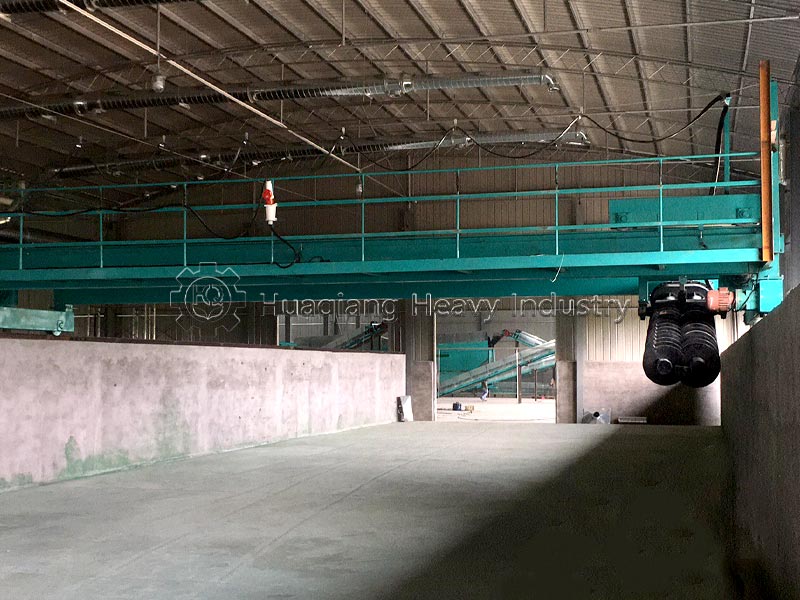
Following pretreatment, the double screws compost turning machine optimizes the whole fermentation process. Its powerful dual-screw structure deeply turns and stirs compost piles, fully replenishing internal oxygen. This accelerates organic waste decomposition and prevents anaerobic decay, effectively solving fermentation inconsistencies caused by residual material differences. It keeps the entire compost pile fermenting steadily throughout the curing period.
The agriculture compost production machine undertakes the final standardized processing. It performs automatic crushing, screening and shaping on fully mature compost. The equipment refines compost texture and unifies finished product specifications, producing nutrient-stable organic fertilizer. Standardized compost is ideal for farmland soil improvement and large-scale commercial agricultural application.
In short, this matched equipment combination focuses on whole-process quality control via material homogenization and precise fermentation. It eliminates common defects of traditional composting, delivers stable and high-quality finished products, and realizes efficient, high-value recycling of various agricultural organic wastes.