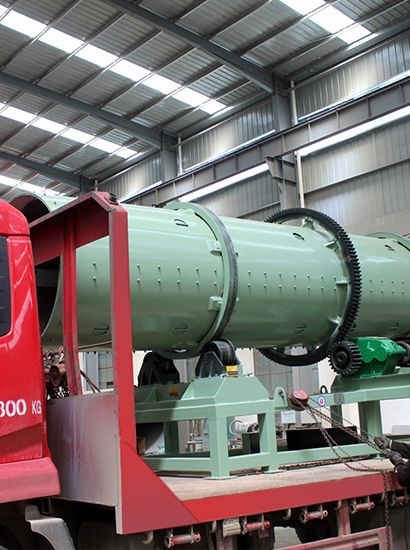
Vermicompost is a superior natural organic raw material, rich in active microorganisms, humic acid, and trace nutrients. They produce loose, nutrient-balanced soil, significantly different from conventional composting materials like straw and manure. Due to their high degree of decomposition, vermicompost composting does not require high-intensity, high-temperature fermentation; the key is to gently activate the microbial community and stabilize the nutrient structure.
First, proper pretreatment and scientific proportioning of raw materials are crucial. Pure vermicompost have good aeration but poor water retention, easily leading to uneven moisture content and localized compaction when composted alone. Adding appropriate amounts of crushed straw, coconut coir, or other coarse fiber adjuncts is recommended. There is no need to mix in livestock or poultry manure. Precisely control the material moisture content to maintain 50%-60%. This optimizes the material’s pore structure and provides a substrate for beneficial microorganisms.
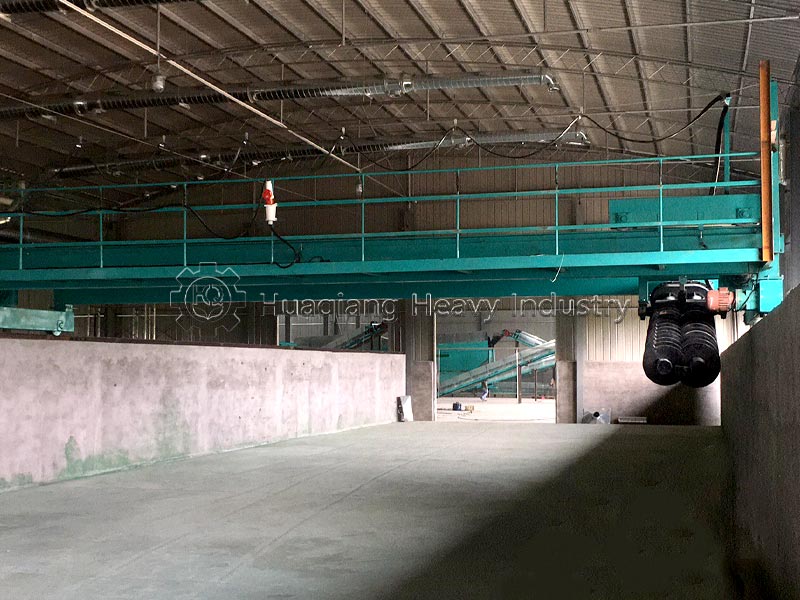
Second, employ low-intensity aerobic fermentation and strictly control the fermentation temperature. The beneficial microorganisms in earthworm castings are intolerant of high temperatures; traditional high-temperature composting methods will directly cause microbial inactivation and nutrient loss. When composting, it’s crucial to control the pile height, ensure natural ventilation, and use a vermicompost turner machine lightly and periodically to aerate the pile. This turning should only be used for moisture dissipation and ventilation, avoiding deep turning to prevent anaerobic mold growth, high-temperature burning, and other problems, thus maintaining a gentle and stable fermentation process.
Finally, allow the material to settle and mature. After about a week of gentle fermentation, stop frequent operations and keep the site dry, well-ventilated, and protected from rain. Allow the internal microbial community to multiply and nutrients to naturally transform and precipitate, achieving deep quality improvement. Finally, perform simple sieving to remove impurities, yielding high-activity, fine-textured, high-quality vermicompost organic fertilizer suitable for soil improvement, fruit and vegetable cultivation, and flower planting, fully utilizing the application value of this high-quality raw material.