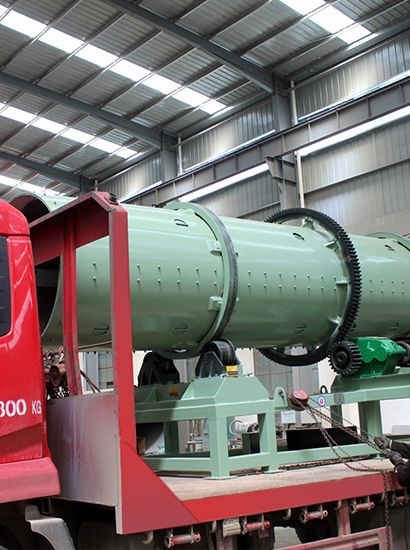
To produce high-quality organic fertilizer with high microbial activity, uniform decomposition, and no harmful residues, high-quality raw materials are only the foundation; the performance of the turning equipment is the key to determining the quality of the finished product. Ordinary turning machines can only perform simple turning and cannot meet the standards of refined fermentation. A high-quality organic fertilizer compost turning machine must adhere to the core principles of aerobic fermentation and possess core characteristics such as refined operation, adaptability to working conditions, and low-consumption and stable operation.
Precise layered turning and eliminating fermentation dead zones are the core primary characteristics. High-quality organic fertilizer requires extremely high uniformity of material decomposition. A high-quality compost turning machine abandons the shallow sweeping mode and can achieve deep turning of the pile and material displacement. This effectively improves the problems of oxygen deficiency in the bottom layer and heat accumulation in the surface layer, balances the overall temperature and humidity, and ensures that the fermentation progress of all materials is synchronized, completely eliminating the mixing of semi-raw and over-cooked materials, fundamentally improving the quality of organic fertilizer.
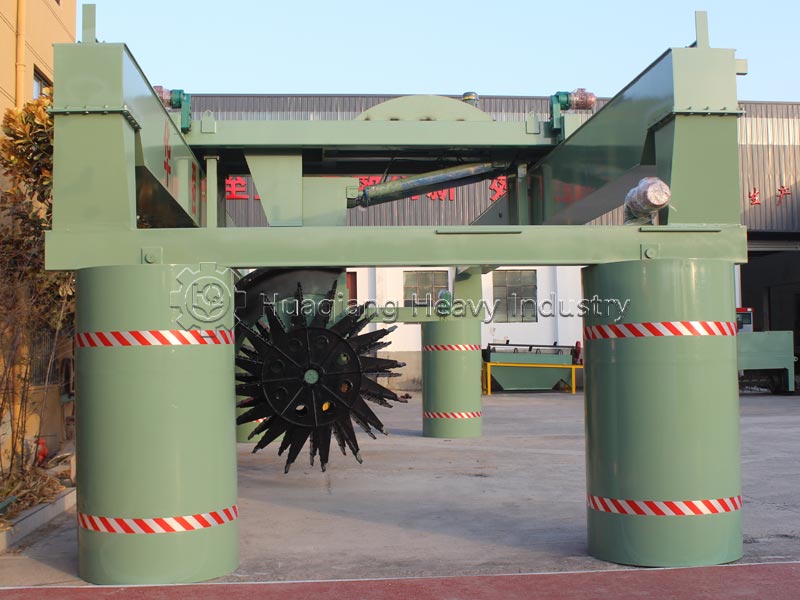
The equipment must have the ability to adapt to sticky materials. Organic fertilizer raw materials are mostly mixtures of manure, straw, and sludge, with large fluctuations in moisture and viscosity. High-quality compost turners feature anti-sticking and strong dispersing structures, efficiently breaking up lumps and viscous materials. This prevents material adhesion, accumulation, and spoilage, ensuring consistent and stable operational efficiency while preserving the original nutrients in the materials to the greatest extent possible.
Simultaneously, the equipment must support temperature control adaptation and low-damage operation. It can turn the compost at set times according to the fermentation rhythm, precisely controlling the temperature to prevent high temperatures from killing beneficial bacteria and low temperatures from causing fermentation stagnation. During operation, it avoids over-crushing the material, maintaining reasonable porosity to sustain a stable aerobic fermentation environment.
Finally, the equipment must be wear-resistant, corrosion-resistant, and low-maintenance, adaptable to long-term, high-frequency, standardized operations. It must operate stably with a low failure rate, continuously and stably producing high-activity, high-quality organic fertilizer to meet the needs of large-scale production.