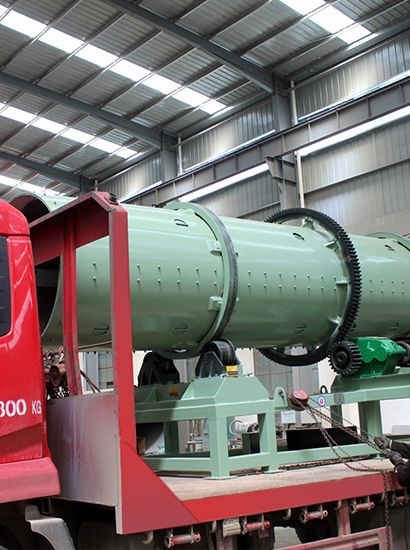
In the organic fertilizer industry, chicken manure compost turning machines are probably one of the most frequently used pieces of equipment. From large-scale egg farms to small and medium-sized farms, turning machines have almost become standard equipment.
Chicken manure is difficult to process, forcing specialized equipment to be developed. Chickens have short intestines and low digestibility, resulting in manure with high nitrogen content, abundant uric acid, and a moisture content often between 60% and 70%, making it sticky and heavy. After three days of piling, it turns black and smells bad, with the core of the pile rapidly heating up to over 70°C. Natural composting not only causes ammonia volatilization and loss of fertilizer effectiveness but also produces large amounts of hydrogen sulfide and foul odor due to lack of oxygen. Specialized chicken manure turning machines were developed to solve the triple problems of “stickiness, heat, and odor.”
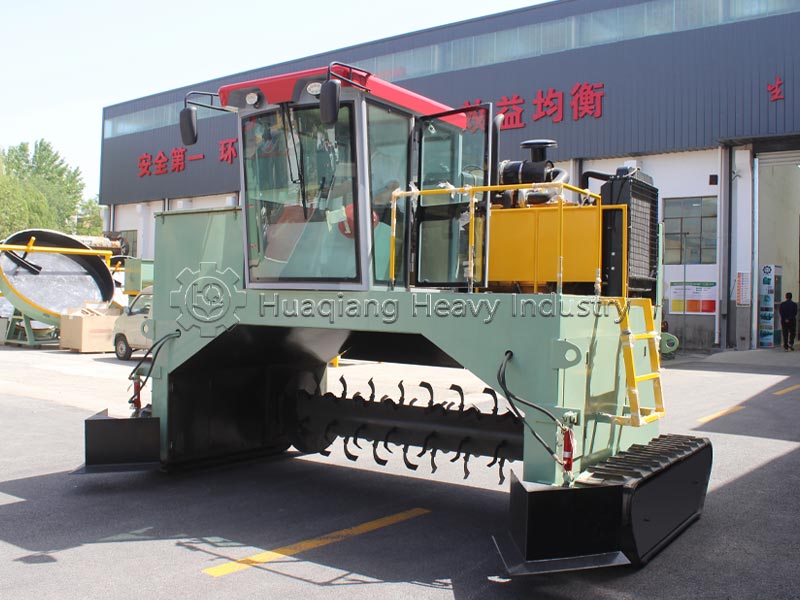
Environmental pressures create a necessity. With increasingly stringent environmental policies for poultry farming, open-air chicken manure piling faces fines and even the risk of closure. Compost turners can transform chicken manure, which naturally decomposes in six months, into stable organic fertilizer within 20-30 days, significantly shortening on-site storage time and reducing pollution risks. For farms without dedicated land for disposal, compost turners represent almost the minimum requirement for compliant processing.
The economic returns are substantial. Chicken manure organic fertilizer commands a much higher price than cow manure, and after full decomposition, it sells very well in fruit and vegetable growing areas. The cost of a compost turner can often be recovered within a year, with continued revenue generation thereafter.
The equipment itself is constantly evolving. With the widespread adoption of technologies such as self-propelled tracks, variable frequency speed control, and hydraulic lifting, the equipment is more durable, requires less manpower, and has a significantly lower operating threshold, making it easy for small and medium-sized farms to operate, further promoting its widespread adoption.
In conclusion, the popularity of chicken manure compost turning machines is the result of multiple factors—it is no longer an added bonus, but an indispensable part of the resource utilization of chicken manure.