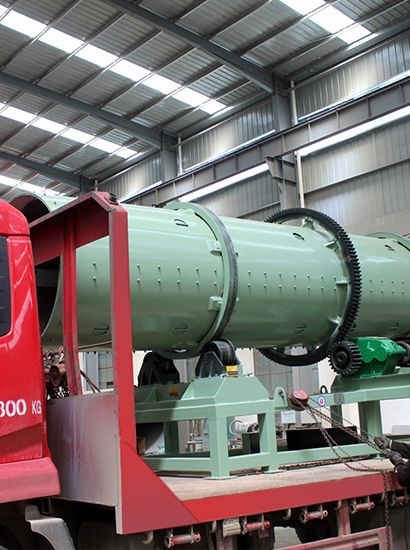
Fermenting chicken manure presents a headache for many operators due to its sticky consistency, strong ammonia odor, and rapid temperature spikes. Choosing the wrong compost turning machine can lead to anything from low efficiency to the total loss of the material in the fermentation pit. To address the “three high” characteristics of chicken manure, equipment selection should focus on the following key points:
High viscosity requires equipment that is “anti-tangling and clog-resistant.” Chicken manure typically has a moisture content of 60%–70% and is rich in undigested protein, making it prone to sticking to the turning blades. Standard spiral-type turners can quickly become clogged with a “mud-like mass” within just half an hour, causing motor overload. Priority should be given to turners featuring a self-cleaning structure with staggered, broken-tooth blades that scrape off adhered material during rotation, or chain-plate push-type structures that lift rather than shear the material, thereby minimizing adhesion at the source.
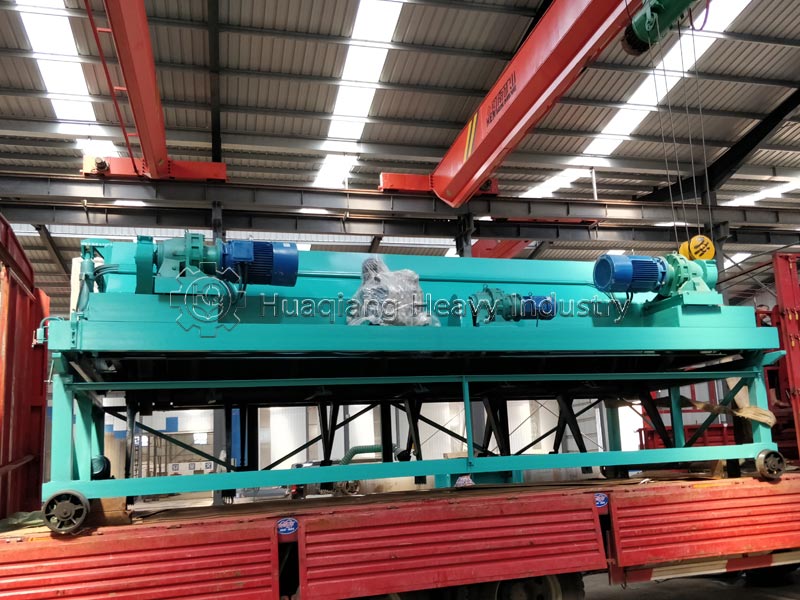
High nitrogen content and rapid heating require a turner capable of “deep turning and thorough aeration.” Chicken manure piles can reach temperatures exceeding 70°C within just 2–3 days; if the turning depth is insufficient, the core of the pile becomes oxygen-deprived and carbonizes, losing its fertilizing value. Effective turning depth must be at least 1.2 meters. The blade rotor should feature variable frequency speed control—using high speeds initially to break up clumps and lower speeds later to turn gently and retain moisture—allowing for flexible adaptation to different fermentation stages.
High concentrations of corrosive gases require equipment that is “corrosion-resistant and durable.” Ammonia and hydrogen sulfide are highly corrosive to metal; therefore, main shaft bearings and hydraulic cylinders require fully sealed protection, the machine body needs a heavy-duty anti-corrosion coating, and electrical components should use waterproof quick-connectors to ensure stable, long-term operation in harsh environments.
Overall, the ideal setup for chicken manure fermentation is a heavy-duty trough-type compost turning machine mounted on a self-propelled chassis. This configuration handles high-torque loads and operates back-and-forth within narrow, elongated troughs, ensuring sufficient oxygen supply to every layer of material. Alternatively, if site layout permits, a wheeled compost turner machine can be used; this offers superior cost-effectiveness by allowing a single machine to service multiple troughs.