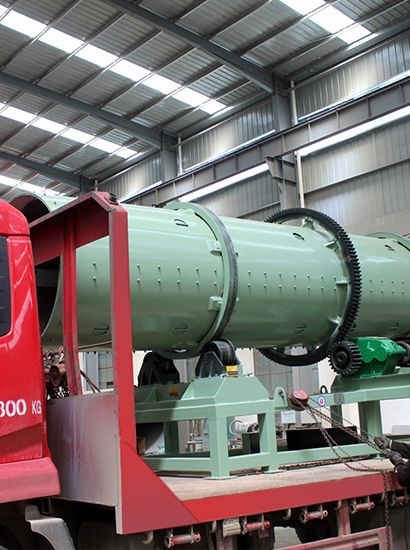
The fertilizer mixer is a key piece of equipment in an NPK fertilizer production line, ensuring uniform mixing of raw materials. During processing, malfunctions such as uneven mixing, equipment jamming, and poor discharge are common. Scientific solutions and proper maintenance ensure uniform fertilizer nutrient content and guarantee subsequent granulation results.
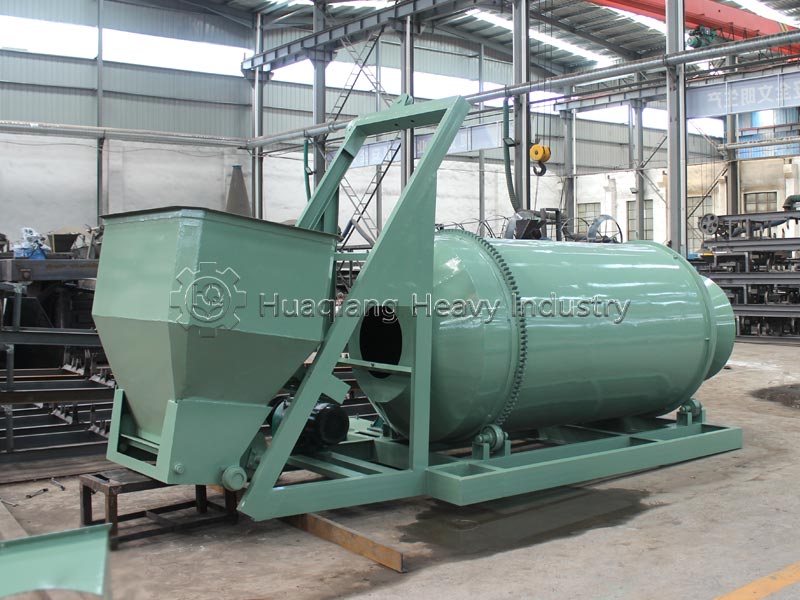
Common Fertilizer Mixer Malfunctions and Solutions:
- Uneven Raw Material Mixing: Caused by an imbalanced feed ratio or insufficient mixing time. Adjust the raw material feed ratio and extend the mixing time (ensuring 5-10 minutes). Check if the mixing blades are rotating normally.
- Equipment Jamming: Caused by impurities in the raw materials or material adhering to the blades. Stop the machine, clean the impurities and residual material from the blades, and check for blade deformation. Replace severely deformed blades immediately.
- Poor Discharge: Caused by a clogged discharge valve. Clean the discharge valve, check its flexibility, and lubricate or replace it if necessary.
Subsequent Maintenance Points: After each use, thoroughly clean the inner wall of the mixing drum and the blades of the fertilizer mixer to prevent clumping and adhesion. Check the wear and fixing condition of the mixing blades weekly, and add lubricating oil to the bearings and reducer. Tighten all connecting parts monthly, troubleshoot electrical faults, and conduct a comprehensive equipment overhaul quarterly to ensure smooth rotation of the mixing blades and avoid prolonged no-load or overload operation of the equipment.