There is no inherently “good” or “bad” manure; success depends on the soil type. Choosing the right manure yields excellent results with less effort, whereas the wrong choice can lead to root burn, soil compaction, and salinization.
Sandy soils have poor water and nutrient retention. Manures with high fiber content and a fine texture after decomposition—such as cow or pig manure—are ideal, as they increase soil aggregates and improve retention capabilities. Chicken manure is nutrient-rich but loses nutrients quickly, so it should be applied in small, frequent doses.
Heavy clay soils have poor aeration and are prone to compaction. “Hot” manures like chicken or sheep manure are more suitable; they generate significant heat during decomposition, which improves soil permeability. However, they must be fully decomposed to prevent secondary fermentation from damaging roots.
Acidic soils benefit from manures that are neutral to slightly alkaline, such as cow or pig manure, which help neutralize acidity. Chicken manure is relatively acidic; long-term exclusive use can exacerbate soil acidification.
For saline-alkali soils, choose highly decomposed cow manure or biogas residue, combined with irrigation leaching to gradually reduce salt levels. Undecomposed manure can worsen salinization.
Orchards and vegetable plots prioritize quality and safety, making nutrient-rich, microbe-laden manures like chicken manure or vermicompost ideal choices. However, chicken manure must be thoroughly decomposed to avoid risks of nematode infestation and root burn. Field crops typically rely on lower-cost manures like cow or pig manure, focusing on building soil fertility.
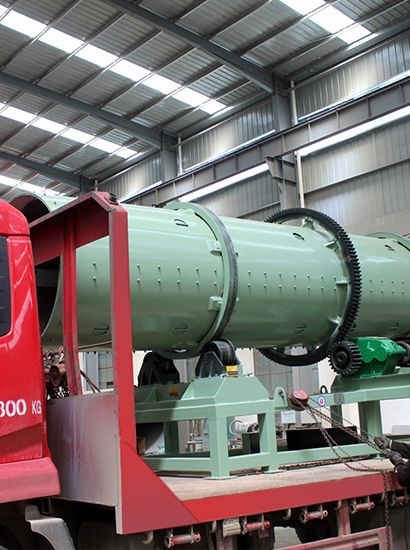
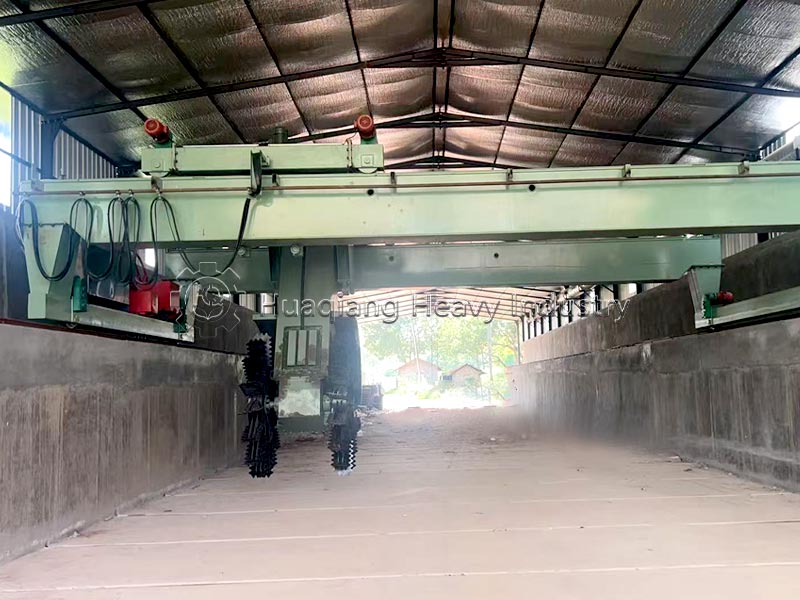
Regardless of the soil type, manure must undergo thorough aerobic fermentation. Fermentation efficiency depends on matching the compost turner to the specific characteristics of the manure. Chicken manure is sticky, heavy, and high in nitrogen, making it suitable for chain-plate compost turning machines; cow manure is fibrous and loose, suiting large wheel compost making machines; pig manure falls somewhere in between and works well with self-propelled/crawler compost turners; sheep manure consists of fine pellets with low moisture content, making standard drum-type turners sufficient. Selecting the right turner ensures that manure truly transforms into the nutrients the soil needs.