Can sewage sludge be processed into fertilizer? The answer is yes, but not all sludge is suitable for direct application to the land. Municipal sludge is rich in organic matter and nutrients like nitrogen and phosphorus, making it theoretically an excellent raw material for fertilizer. However, it may contain residual heavy metals, pathogens, and parasite eggs; applying it directly without treatment would actually contaminate the soil. Therefore, the key question is not “can it be done,” but rather “how can it be processed safely.”
The first hurdle is heavy metal testing. Levels of zinc, copper, lead, and cadmium must meet agricultural standards; sludge exceeding these limits must instead be routed to construction material production or incineration. Industrial sludge requires particular caution; sludge from sectors such as electroplating or textile printing and dyeing is generally unsuitable for fertilizer production.
The second step is harmless treatment. Aerobic composting is currently the most common method. Dewatered sludge is mixed with bulking agents—such as straw or mushroom cultivation residue—to adjust the carbon-to-nitrogen ratio and moisture content. Continuous turning supplies oxygen and maintains the compost pile at temperatures above 55°C for several days, effectively killing pathogens and parasite eggs. The fermentation cycle lasts approximately 20 to 30 days; once fully decomposed, the sludge becomes loose in texture and odorless, ready for subsequent processing.
The third step is nutrient balancing. Sludge-based fertilizer alone tends to be low in nitrogen, phosphorus, and potassium; it must be blended with chemical fertilizers or other organic materials to meet commercial organic fertilizer standards.
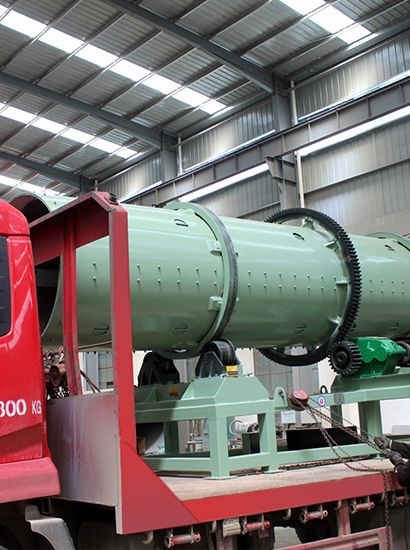
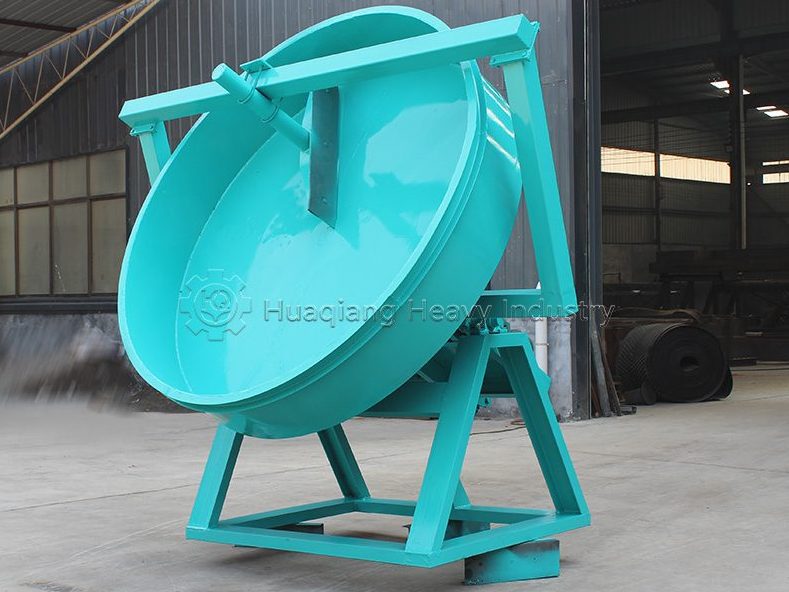
Equipment required for processing: A sludge-to-fertilizer production line typically includes conveyors, bulking agent crushers, fertilizer mixer machines, aerobic compost turners, screening machines, granulators, dryers/coolers, and packaging scales. Compost turning machines must be selected for their resistance to the sludge’s high viscosity and corrosiveness (anti-stick and anti-corrosion models), while the granulation stage is best suited for pin-type or disc granulators that can handle a wide range of moisture levels. The core logic of the entire system is: first render it harmless, then convert it into a resource, and finally commercialize it.