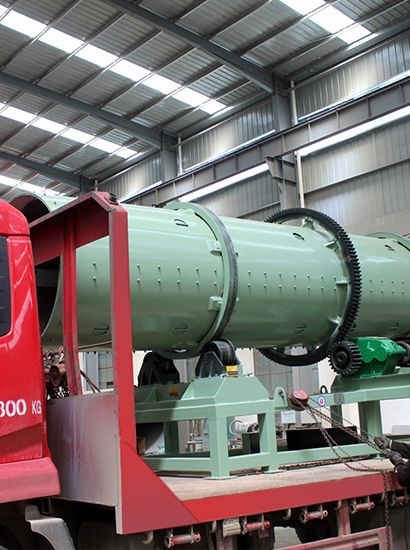
As organic waste recycling becomes increasingly popular, modern compost production has fully shifted from manual operation to mechanized and standardized processing. Three widely adopted compost processing configurations dominate the industry: vermicompost making machine, complete composting plant, and self propelled compost production machine. Featuring distinct functions and operational characteristics, they cater to different production scales, site conditions and composting demands.
The vermicompost making machine is specially designed for high-quality worm castings production. Unlike conventional high-temperature aerobic composting, it utilizes earthworms to decompose organic materials including livestock manure, crop straw and vegetable residues. Matching auxiliary equipment stabilizes feeding, material turning and humidity control throughout the process. With mild fermentation, zero nutrient loss and pollution-free operation, it perfectly fits small-scale, high-end compost production for horticulture planting and precise soil improvement.
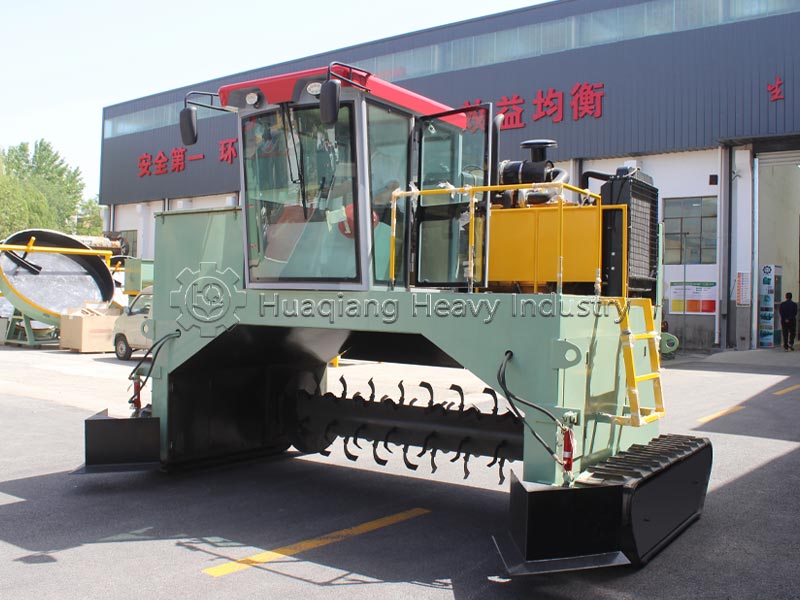
The self-propelled compost production machine is a highly flexible fermentation device. This mobile turner requires no fixed fermentation tank, adapting to open-air stacking and simple workshop environments. It independently completes material turning, oxygen supply and mixing to speed up compost maturity. Thanks to its low site requirements and flexible movement, it is the preferred option for medium-scale compost production, ideal for farms and small processors with adjustable production sites.
A full composting plant is a complete automated production system. It integrates crushing, mixing, fermentation, screening and finished product processing equipment to form a full assembly line. Capable of continuous, large-capacity organic waste treatment, it delivers stable compost quality and high operational efficiency, serving as the standard configuration for large-scale commercial organic fertilizer manufacturing.
To sum up, the three devices have clear market positioning. Producers can make targeted choices based on actual needs: vermicompost machines for high-end fine compost, self-propelled turners for flexible batch production, and full composting plants for standardized large-scale mass production.