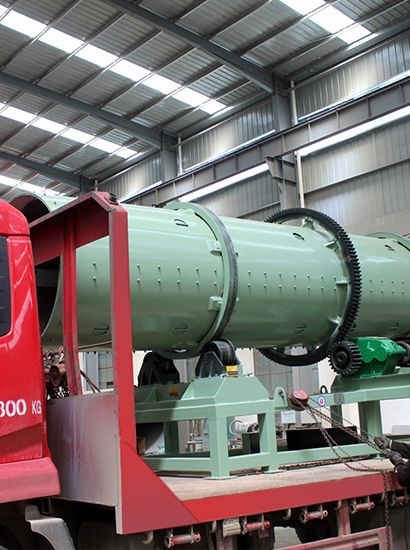
In selecting fertilizer granulation equipment, “cost-effectiveness” is the core concern for industry professionals. Rotary drum granulators are widely used due to their advantages of continuous operation and stable capacity, but they are not the “absolutely high cost-effectiveness” equipment for fertilizer granulation.
For large-scale, batch fertilizer processing, the rotary drum granulator’s cost-effectiveness advantage is very prominent. It can achieve 24-hour continuous granulation, with a capacity far exceeding that of disc and double roller press granulators. Although the initial equipment investment is relatively high, the unit processing cost can be diluted through economies of scale, and energy consumption and maintenance costs are more balanced in the long run. It is suitable for large-scale production of tens of thousands of tons or more, minimizing overall costs.
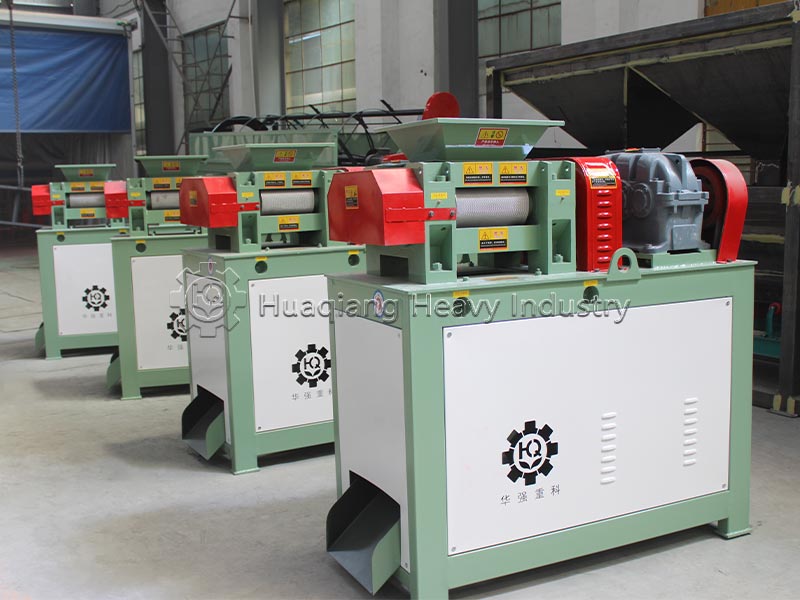
However, for small- to medium-scale processing scenarios with limited budgets, the rotary drum granulator is not cost-effective. Its equipment structure is complex, with many supporting devices, and the initial investment is much higher than that of disc granulators. Furthermore, its energy consumption is relatively high, making it difficult to dilute costs in small-scale production; instead, it increases the processing burden.
Furthermore, the cost-effectiveness also depends on the type of fertilizer. Rotary drum granulators are suitable for multi-component, high-moisture fertilizers. However, if processing a single type of fertilizer in small batches, their advantages are difficult to realize, and their cost-effectiveness will be significantly reduced.
In conclusion, the rotary drum granulator is not the absolute “most cost-effective” choice in the industry. It excels in large-scale mass production, while better options exist for small and medium-sized applications.